
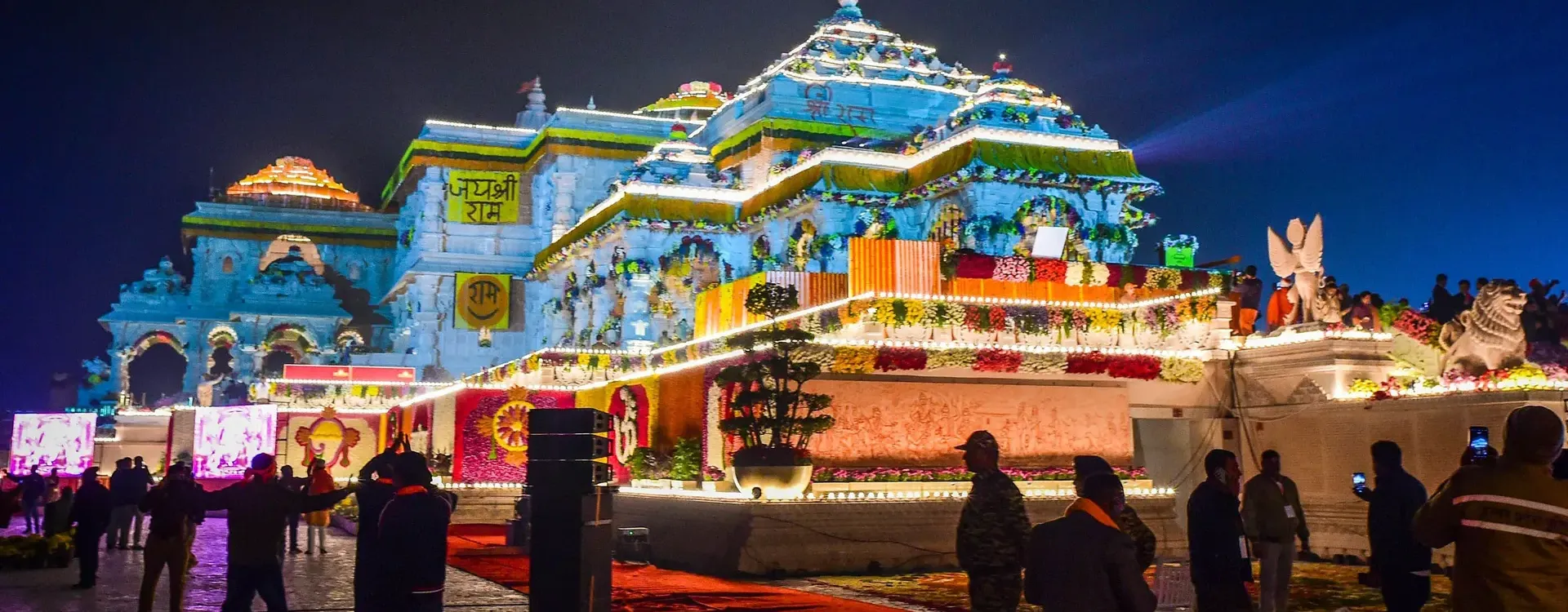
Ayodhya Tour Packages
Are you wanting to visit the Ram Janmabhoomi and experience a peaceful evening by the Sarayu River in Ayodhya?
Trust KoiKoi Travel to deliver a deeply spiritual itinerary where you can explore the Ram Janmabhoomi and enjoy a peaceful evening by the Sarayu River. This plan is uniquely crafted for you.
Scroll down to check out our hand-picked tour packages below and click to book! 👇
No tours found in Ayodhya yet
Insider Travel Guide & TipsEverything About Ayodhya
Essential travel guide, top attractions, weather, local tips & culture for Ayodhya.
Read Full Guide Hide Guide
Everything About Ayodhya
Essential travel guide, top attractions, weather, local tips & culture for Ayodhya.
Top Attractions
Weather & Best Time
Ayodhya: The Birthplace of Lord Ram
On the banks of the Sarayu River in eastern Uttar Pradesh, Ayodhya is one of Hinduism's seven most sacred cities, revered as the birthplace of Lord Ram. In recent years, the city has undergone a dramatic transformation, with the consecration of the new Ram Mandir turning it into one of India's most significant pilgrimage destinations, drawing millions of devotees alongside a wave of fresh infrastructure and development.
Things You Really Shouldn't Skip
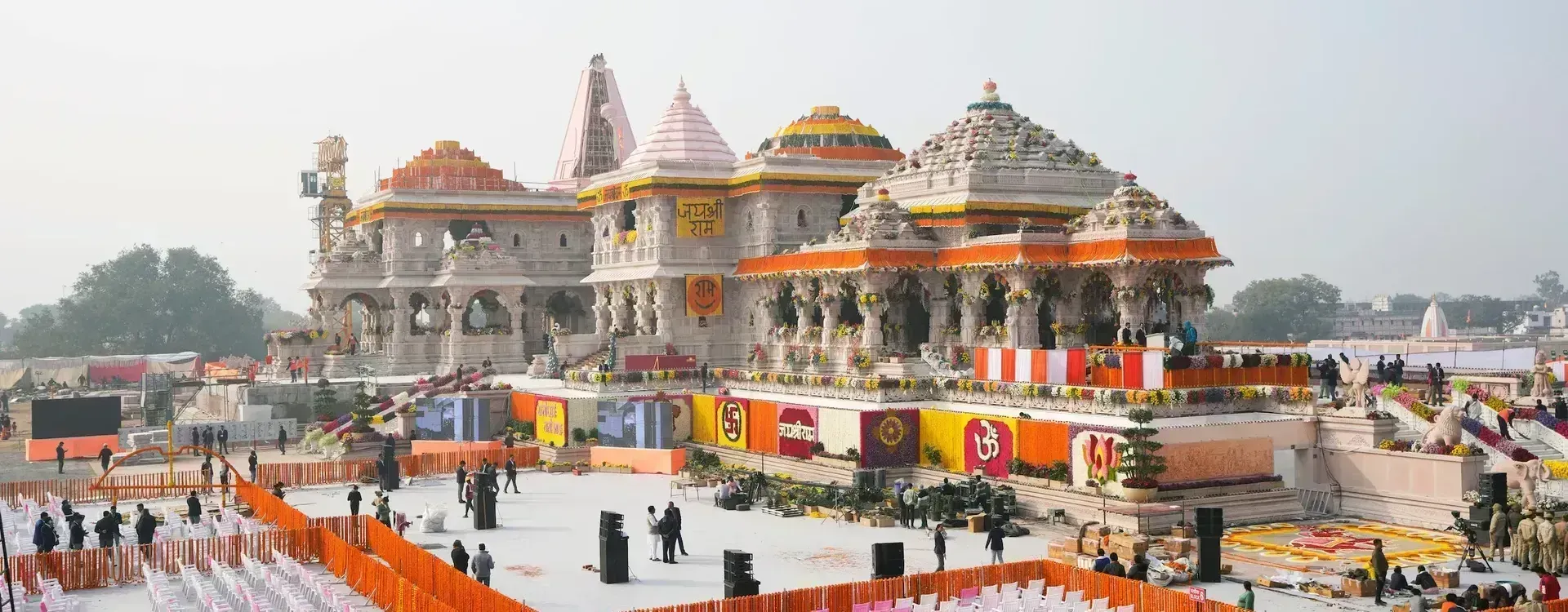
Ram Janmabhoomi Temple — The centrepiece of modern Ayodhya, this grand new temple marks the believed birthplace of Lord Ram and stands as the culmination of a centuries-long religious and legal journey. The intricate stone carvings, soaring shikhara, and sheer scale of the complex make it an essential stop, though expect long queues and tight security given the volume of pilgrims.
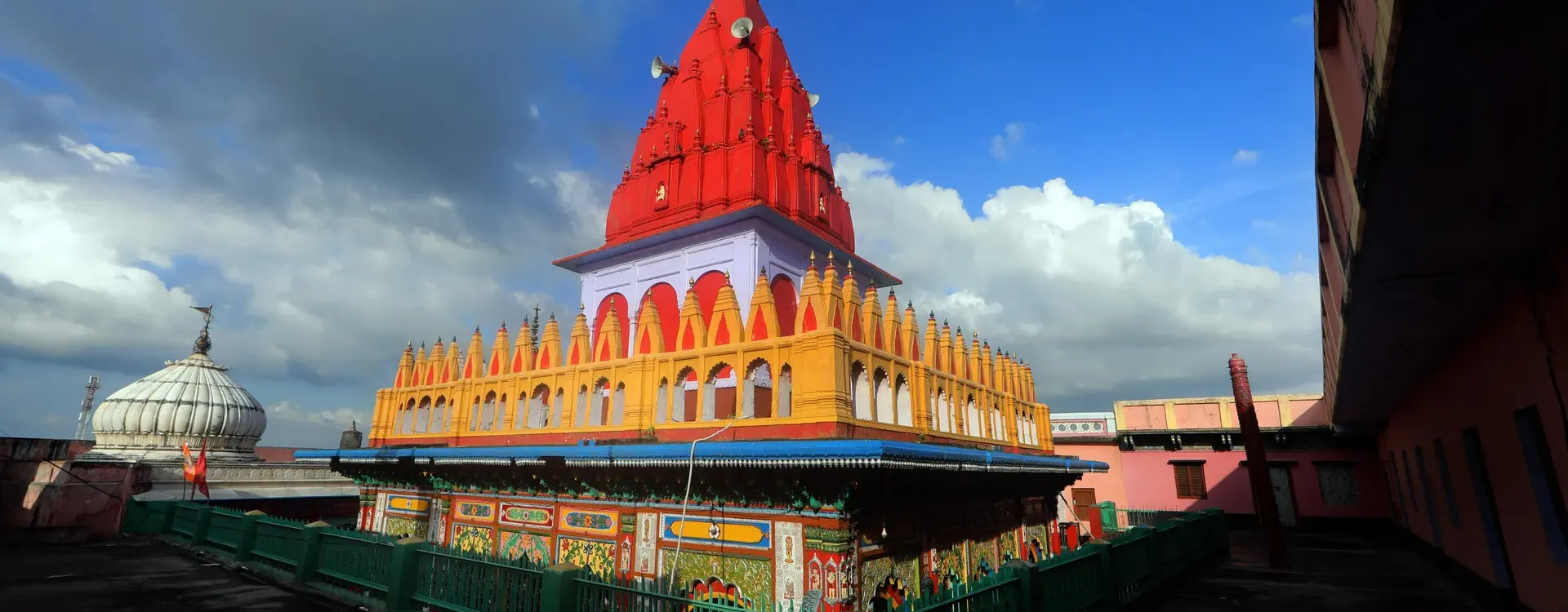
Hanuman Garhi — One of Ayodhya's most visited temples, dedicated to Lord Hanuman, perched atop a small hill reached via a flight of steps. Local belief holds that a visit to Ayodhya is incomplete without first seeking Hanuman's blessings here before heading to the Ram temple.
Kanak Bhawan — A beautifully ornate temple believed to have been gifted to Sita by Kaikeyi as a wedding present, known for its stunning gold-accented interiors and idols of Ram and Sita dressed in elaborate golden crowns.
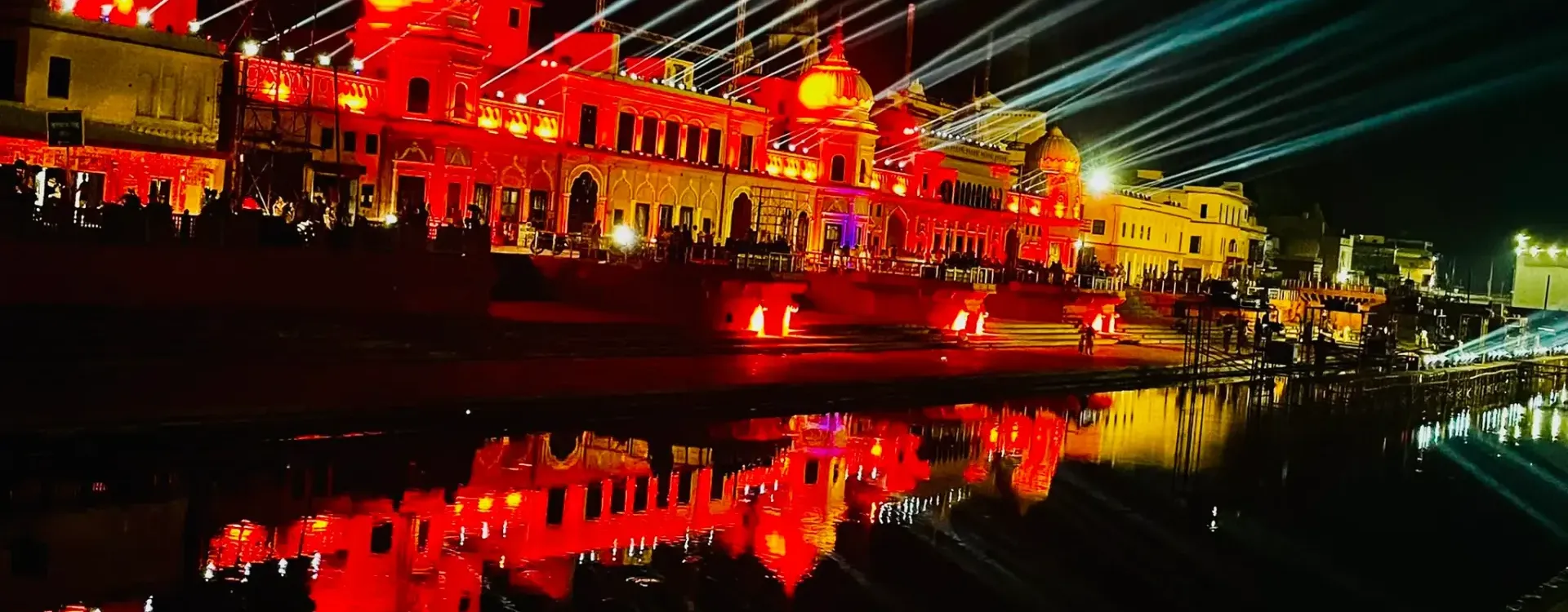
Sarayu Ghat — The riverside ghats along the Sarayu River, where the evening aarti draws large crowds each day. Taking a boat ride at dusk, as the ghats light up with lamps, is one of the most atmospheric experiences Ayodhya offers.
Ram Ki Paidi — A series of terraced ghats specifically built for ritual bathing, especially significant during festivals, and beautifully illuminated at night, making it worth a stop even for non-pilgrims.
Treta Ke Thakur Temple — Believed to stand on the spot where Ram is said to have performed the Ashwamedha Yagna, home to idols carved from a single black sandstone block, said to date back to the Treta Yuga.
Timings and Entry Fees (worth double-checking before you go)
SiteTimingsEntry FeeRam Janmabhoomi TempleRoughly 6:00 AM – 9:30 PM (darshan slots vary)Free (VIP/faster darshan passes available separately)Hanuman Garhi5:00 AM – 10:00 PM approx.FreeKanak Bhawan8:00 AM – 12:00 PM, 4:00 PM – 8:00 PM approx.FreeSarayu Ghat / AartiEvening, around sunsetFree
A heads-up: darshan timings and queue lengths at Ram Janmabhoomi Temple can shift significantly around festivals, so it's worth checking current slots closer to your visit date rather than relying on standard hours.
Getting Around
Ayodhya's key sites are spread across a few kilometres, and while some pilgrims walk between the closer temples, e-rickshaws and cycle-rickshaws are the easiest way to cover the full circuit, especially given the crowds around the main temple complex. Given ongoing development, road layouts and access routes have been changing, so local transport operators are usually the best source for current routes.
What to Eat
Ayodhya is a strictly vegetarian city out of religious observance, and satvik (pure vegetarian, onion-garlic-free) food is the norm at most eateries. Look out for local sweets and prasad offerings near the temples, along with simple thalis served at pilgrim guesthouses and dharamshalas.
Shopping
Stalls around the main temples sell religious items — idols, framed images of Ram and Sita, rudraksha malas, and puja essentials — along with Ayodhya's well-known peda (a local sweet). It's a pilgrimage-driven shopping scene rather than a general market experience.
What to Wear
Modest, traditional clothing is strongly recommended given Ayodhya's deeply religious character, and comfortable footwear matters given the walking and queueing involved at major temples. Shoes are removed before entering all temple premises, so carrying a bag or wearing easily removable footwear helps.
The Feel of the Place
Ayodhya today carries a palpable sense of transformation — centuries of religious significance now matched by fresh construction, wide new roads, and a steady stream of pilgrims from across the country. There's a devotional intensity here that's hard to find elsewhere, the sense of standing at a place that carries enormous weight for millions of people, whatever one's own beliefs.
Festivals Worth Timing Your Trip Around
Ram Navami (March/April): Marking the birth of Lord Ram, this is Ayodhya's biggest annual event, drawing massive crowds — arrive well ahead of the day itself if you want to experience it without the heaviest congestion.
Diwali: Ayodhya's Deepotsav celebrations have become globally renowned, with lakhs of diyas lit along the Sarayu ghats, making this one of the most visually spectacular times to visit.
A Tip From Experience
Plan for security checks and long queues at Ram Janmabhoomi Temple — this can't be overstated, since carrying restrictions (phones, bags, leather items) are strict, and being unprepared at the entrance means backtracking and losing valuable time. Visit Hanuman Garhi early morning before the main temple to align with local custom and beat the day's crowds.
A Simple Full-Day Plan
Start early at Hanuman Garhi, then move to Ram Janmabhoomi Temple once queues are shorter mid-morning. Visit Kanak Bhawan and Treta Ke Thakur Temple in the afternoon, and close the day at Sarayu Ghat for the evening aarti before a peaceful boat ride as the ghats light up.
Best Time to Go
October to March offers the most comfortable weather for the extensive walking and queueing a full Ayodhya visit involves. Festival periods like Ram Navami and Deepotsav offer an unmatched atmosphere but come with significantly heavier crowds, so it's a trade-off between experience and comfort.
How to Get There
Ayodhya now has its own airport, Maharishi Valmiki International Airport, with direct flights from several major Indian cities. Ayodhya Junction and Ayodhya Dham Junction railway stations offer strong rail connectivity, and the city is also well-linked by road from Lucknow, roughly 130 km away, and Varanasi.
Frequently Asked Questions about Ayodhya
Helpful answers to common traveler questions when planning a trip to Ayodhya.
Still have questions about your trip?
Talk to our destination specialist for personalized itinerary guidance & custom quotes.