
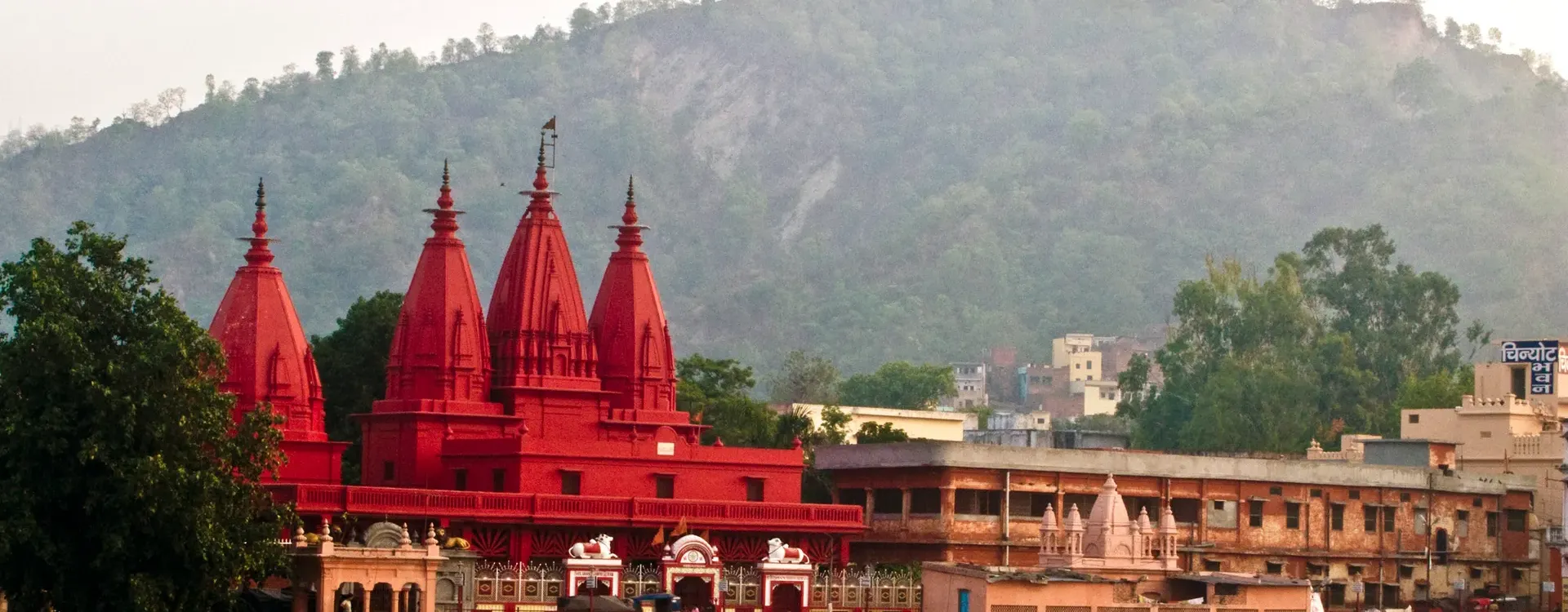
Haridwar Tour Packages
Ready for a magical vacation exploring the best sights in Haridwar?
Stop searching! KoiKoi Travel brings you hand-crafted itineraries that include every beautiful attraction Haridwar has to offer.
With our excellent cabs, premium hotels, and happy guides, your vacation will be perfectly smooth and memorable.
Explore our best hand-picked Haridwar itineraries below and choose your favorite today! 👇
No tours found in Haridwar yet
Insider Travel Guide & TipsEverything About Haridwar
Essential travel guide, top attractions, weather, local tips & culture for Haridwar.
Read Full Guide Hide Guide
Everything About Haridwar
Essential travel guide, top attractions, weather, local tips & culture for Haridwar.
Top Attractions
Weather & Best Time
Haridwar: The Gateway City Where the Ganga Leaves the Mountains
Haridwar's name translates to "Gateway to God," and for millions of Hindu pilgrims each year, that's exactly what it functions as — the point where the Ganga finally leaves the Himalayas and enters the plains, and traditionally the first major stop on any Char Dham journey. This is one of Hinduism's seven holiest cities, and its evening Ganga Aarti at Har Ki Pauri remains one of the most spectacular, accessible religious spectacles anywhere in North India.
Top Attractions in Haridwar
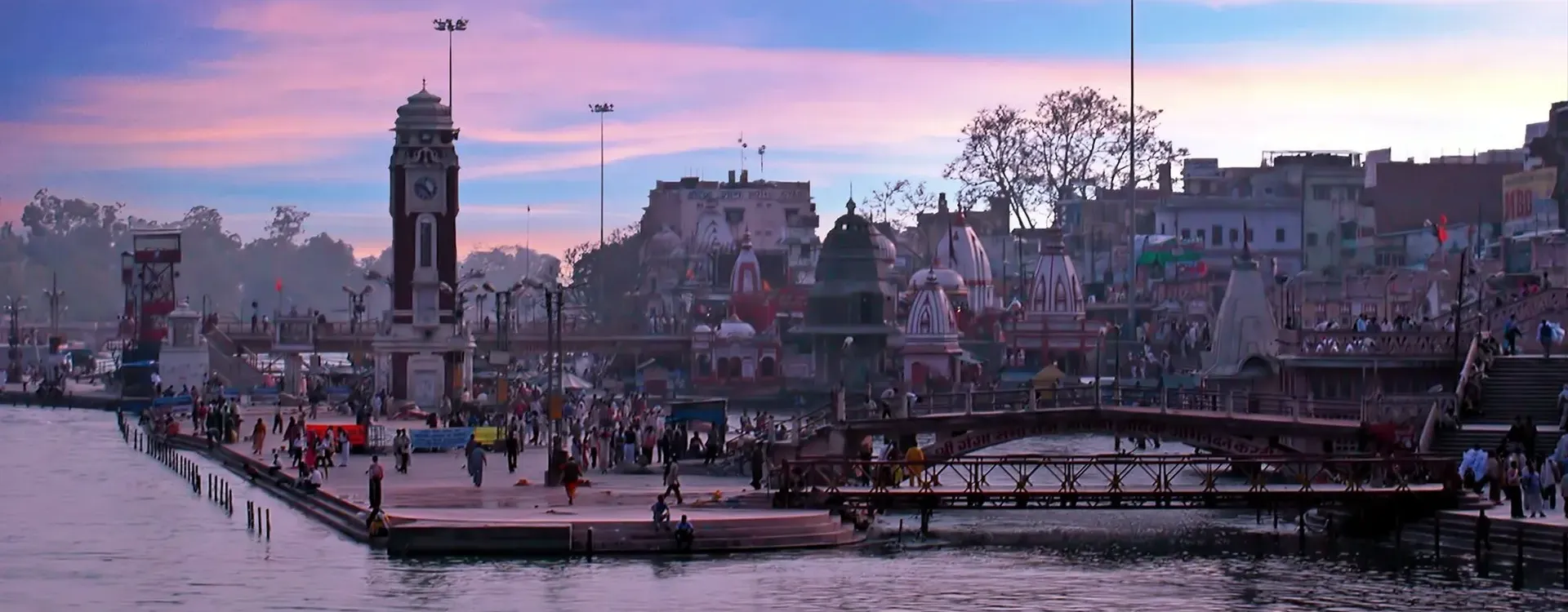
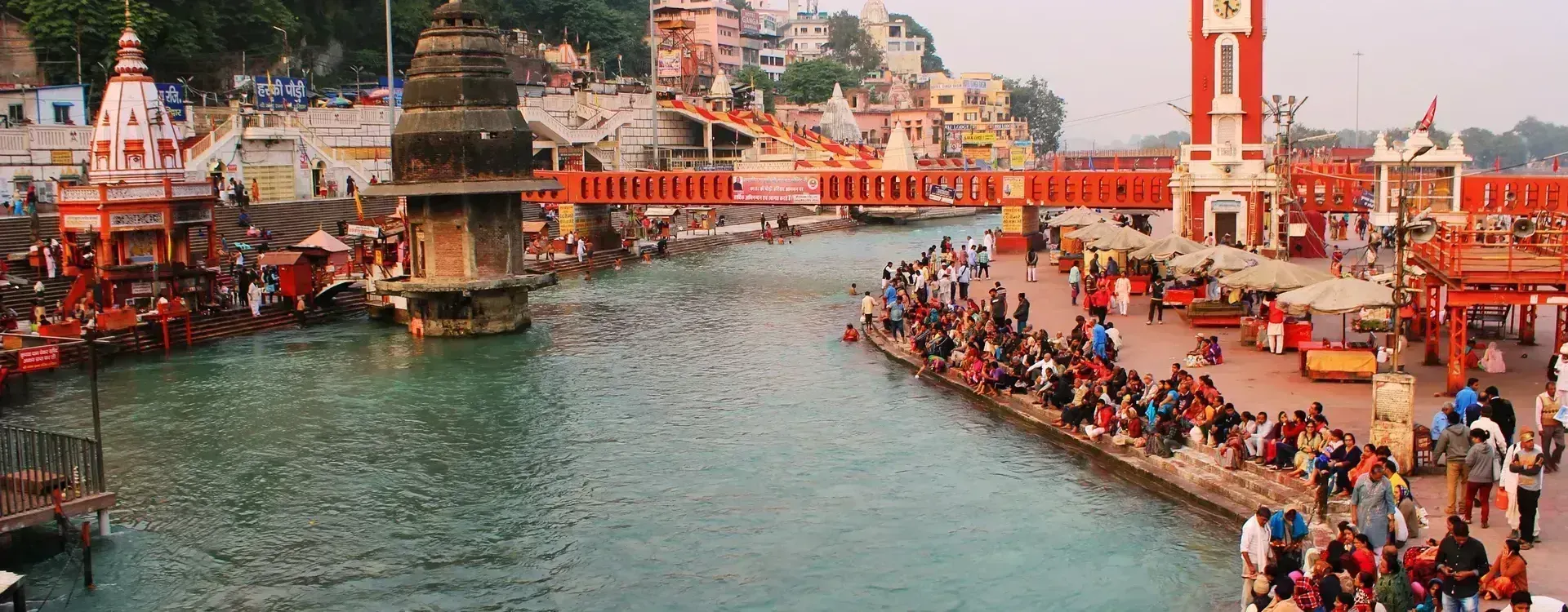
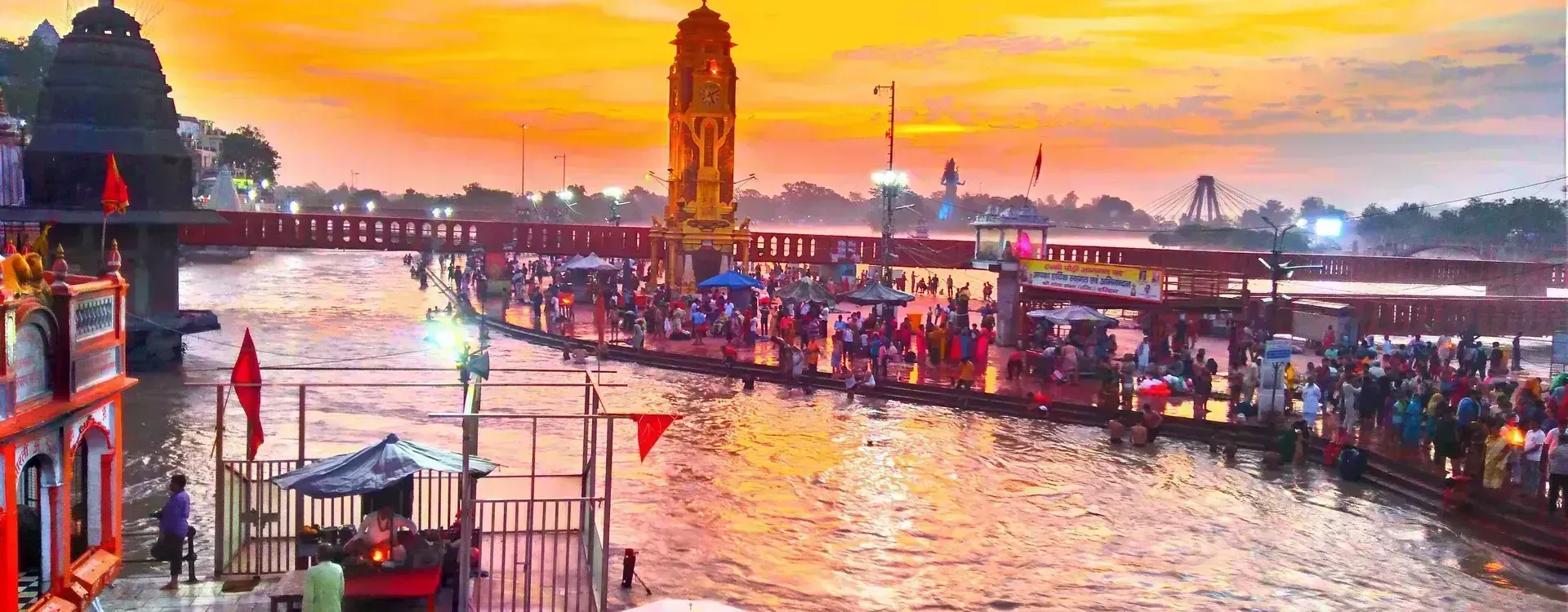
Har Ki Pauri — Haridwar's most sacred ghat, believed to bear Lord Vishnu's footprint, and the site of the city's famous evening Ganga Aarti
Mansa Devi Temple — a hilltop shrine on Bilwa Parvat dedicated to the wish-fulfilling goddess Mansa Devi, reached by cable car or trek, and part of Haridwar's Panch Tirth (five most sacred sites)
Chandi Devi Temple — another Siddh Peeth on Neel Parvat, believed established by Adi Shankaracharya in the 8th century, also part of the Panch Tirth circuit
Maya Devi Temple — an ancient temple dedicated to Goddess Maya, considered one of Haridwar's oldest shrines
Bharat Mata Mandir — an unusual temple dedicated to "Mother India" herself, with multiple floors depicting the nation's geography and freedom fighters
Sapt Rishi Ashram — a serene riverside spot associated with seven great sages, good for quiet reflection away from the busier ghats
Har Ki Pauri Ganga Aarti — Timings
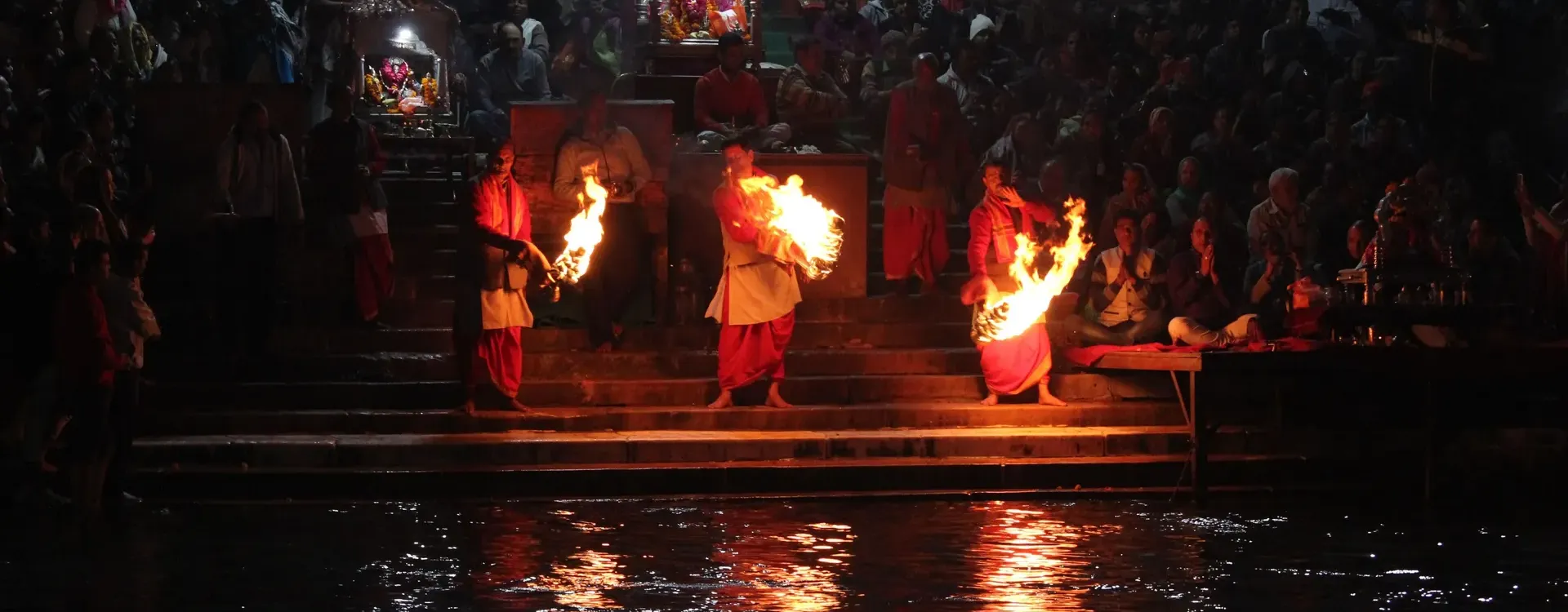
The Ganga Aarti at Har Ki Pauri is Haridwar's signature experience, held daily with slightly shifting timings by season — evening aarti runs roughly 6:00-7:00 PM in summer and 5:00-6:00 PM in winter, and there's also a smaller morning aarti around 5:30-6:30 AM for early risers wanting a quieter alternative. Entry is completely free, though arriving 30-45 minutes early is genuinely worth it to secure a good spot — the ghat gets crowded fast, especially on weekends and during festival periods. The ritual itself involves dozens of priests holding large, multi-tiered brass lamps in synchronized worship, accompanied by conch shells, bells and Vedic chanting, while devotees release floating diyas onto the river, creating what's often described as a literal river of light.
Mansa Devi and Chandi Devi Temples
Together, these two hilltop temples complete an important part of Haridwar's Panch Tirth pilgrimage circuit. Mansa Devi, on Bilwa Parvat, is famous for its wish-tying ritual — devotees tie a red and yellow thread (mauli) around a sacred tree in the temple complex while making a wish, later returning to untie it once that wish is fulfilled. It's reachable by a moderate trek or, more conveniently, by cable car (Udan Khatola), with temple hours typically 8:00 AM to 5:00 PM and a midday closure around 12:00-2:00 PM for bhog rituals. Chandi Devi, on Neel Parvat, follows a similar pattern, also reachable by cable car (from near Gauri Shankar Temple) or a roughly 3 km forest trek, with similarly free entry and a comparable midday closure window.
A combined ropeway ticket covering both temples typically costs around ₹290-340, a modest saving over booking each separately. Given the midday closures at both sites, it's worth timing your visit carefully — either completing both temples before noon with an early start, or splitting them across morning and afternoon slots.
Note: Temple timings, ropeway fares and closure windows shift periodically, so it's worth confirming current details before planning your day.
Best Food to Try in Haridwar
Haridwar, like Rishikesh, is a strictly vegetarian pilgrimage city — no meat, and in the older, holier parts of town, no onion or garlic either. Street food near Har Ki Pauri is genuinely worth exploring — Aloo Puri, Kachoris, Chole-Bhature and hot Jalebis are all easy to find and well loved by both locals and visiting pilgrims. Haridwar's sweets, particularly its variety of laddoos and pedas sold as prasad near the temples, make for good edible souvenirs too.
Best Shopping in Haridwar
Moti Bazaar and Bada Bazaar near Har Ki Pauri are the places to head for religious artefacts, rudraksha malas, holy Ganga water containers, Ayurvedic products and traditional clothing. These markets are worth exploring in the late afternoon before heading to the evening aarti, giving you a natural flow to the day's sightseeing.
Dress Code in Haridwar
As one of Hinduism's holiest cities, modest clothing is expected almost everywhere in Haridwar, not just inside temples — shoulders and knees covered is the simplest rule to follow throughout your visit. Given how much walking and ghat-hopping a typical Haridwar day involves, comfortable footwear (and easy slip-ons, since you'll be removing shoes often near temples and the ghats) genuinely helps.
Culture of Haridwar
Haridwar's identity is inseparable from its status as one of the four sites hosting the Kumbh Mela, the periodic gathering considered the largest religious congregation on earth — a cycle that repeats roughly every twelve years and briefly transforms the entire city into a sea of pilgrims. Beyond the Kumbh, the daily rhythm of Har Ki Pauri's aarti gives Haridwar a constant undercurrent of devotion that doesn't let up regardless of season, distinguishing it from more purely scenic hill stations elsewhere in Uttarakhand. The city also functions as a genuine gateway in the practical sense — most Char Dham Yatra routes and journeys toward Rishikesh, Uttarkashi and beyond begin from here, making Haridwar as much a logistical hub as a spiritual one.
Major Festivals in Haridwar
Kumbh Mela / Ardh Kumbh: Held periodically (Ardh Kumbh roughly every 6 years, full Kumbh every 12), transforming Haridwar into the site of the world's largest religious gathering, with millions of pilgrims taking a ritual dip in the Ganga.
Kanwar Yatra (Jul/Aug): A massive annual pilgrimage during the monsoon month of Shravan, when devotees (Kanwariyas) collect Ganga water from Haridwar and carry it, often on foot, to Shiva temples across North India — the city gets genuinely crowded and lively during this period.
Ganga Dussehra (May/Jun): Celebrates the descent of the Ganga to earth, marked with special rituals and a particularly festive atmosphere at Har Ki Pauri.
Makar Sankranti (Jan): A significant bathing festival, drawing large crowds for a ritual dip in the sacred river.
Language Spoken in Haridwar
Hindi is the primary language spoken throughout Haridwar and works almost everywhere.
Sanskrit holds ceremonial and religious significance given the city's temple culture, though it's not commonly spoken in daily conversation.
Khariboli, a dialect closely related to standard Hindi, is native to the wider region.
English has reasonable presence in hotels and tourist-facing businesses, given steady footfall from domestic and international visitors alike.
Traveller tip: Non-vegetarian travellers should come prepared — Haridwar (like Rishikesh) is predominantly, and in many areas strictly, vegetarian, so meat options are genuinely hard to find within the city.
One Day Itinerary Suggestion
Morning holy dip and darshan at Har Ki Pauri, followed by Mansa Devi Temple via cable car, Chandi Devi Temple in the early afternoon, a stop at local markets like Moti Bazaar or Bada Bazaar for shopping, and the evening Ganga Aarti at Har Ki Pauri to close the day.
Best Time to Visit Haridwar
October to March offers the most pleasant weather for sightseeing and temple visits, avoiding both summer heat and monsoon crowds. The Ganga Aarti happens year-round regardless of season, so it remains accessible whenever you visit, though festival periods like Kumbh Mela or Kanwar Yatra bring dramatically larger crowds worth planning around, whether you want to experience that energy or avoid it.
How to Reach Haridwar
Haridwar's nearest airport is Dehradun's Jolly Grant Airport, roughly 35-40 km away, with regular flights from Delhi and other major cities. Haridwar Railway Station is well connected to Delhi and cities across India, making train travel a genuinely convenient option. Road trips work well too, with Haridwar comfortably reachable from Delhi in around 5-6 hours via a well-maintained highway, making it one of the more accessible pilgrimage cities for a weekend trip.
With KoiKoi Travel, experience the sacred ghats, temples and timeless devotion of Haridwar on a journey to one of India's holiest cities.
Frequently Asked Questions about Haridwar
Helpful answers to common traveler questions when planning a trip to Haridwar.
Still have questions about your trip?
Talk to our destination specialist for personalized itinerary guidance & custom quotes.