
The Golden City of India
Jaisalmer
Jaisalmer Tours
Are you planning to visit the Sonar Quila and experience a magical Camel Safari in the Thar Desert in Jaisalmer?
KoKoi Travel has created the most vibrant itinerary for you to explore the Sonar Quila and enjoy a magical Camel Safari in the Thar Desert. This is uniquely planned specially for you.
Check out our hand-picked tour packages below and click to book your dream trip! 👇
16 Days - Rajasthan Itinerary with Agra and Delhi
Everything About Jaisalmer
Top Attractions
Weather & Best Time
Jaisalmer: The Golden City That Still Lives Inside Its Fort
Jaisalmer earns its nickname honestly — at sunrise and sunset, the entire city glows a warm, golden yellow, built almost entirely from the same sandstone quarried right out of the surrounding Thar Desert. But what makes Jaisalmer genuinely rare isn't just the colour, it's that its fort isn't a museum piece cordoned off from daily life — people still live, trade and pray inside its walls, making it one of the very few "living forts" left in the world.
Top Monuments in Jaisalmer
Jaisalmer Fort (Sonar Quila) — a UNESCO World Heritage Site and the city's centrepiece, a living fort with homes, shops and temples still functioning inside its walls
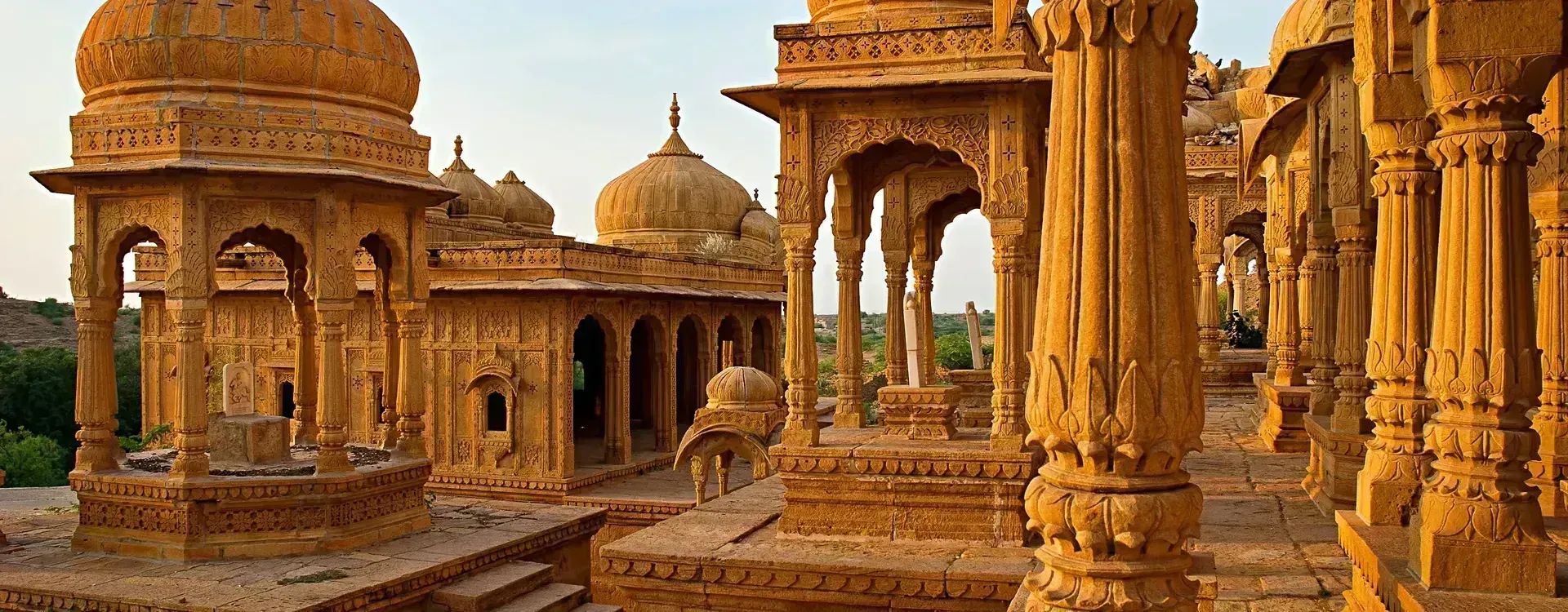
Patwon Ki Haveli — a cluster of five ornate havelis built by a wealthy merchant family, considered the grandest haveli complex in the city
Nathmal Ki Haveli — known for its intricately carved twin facades, built by two brothers who reportedly worked on either half without coordinating designs
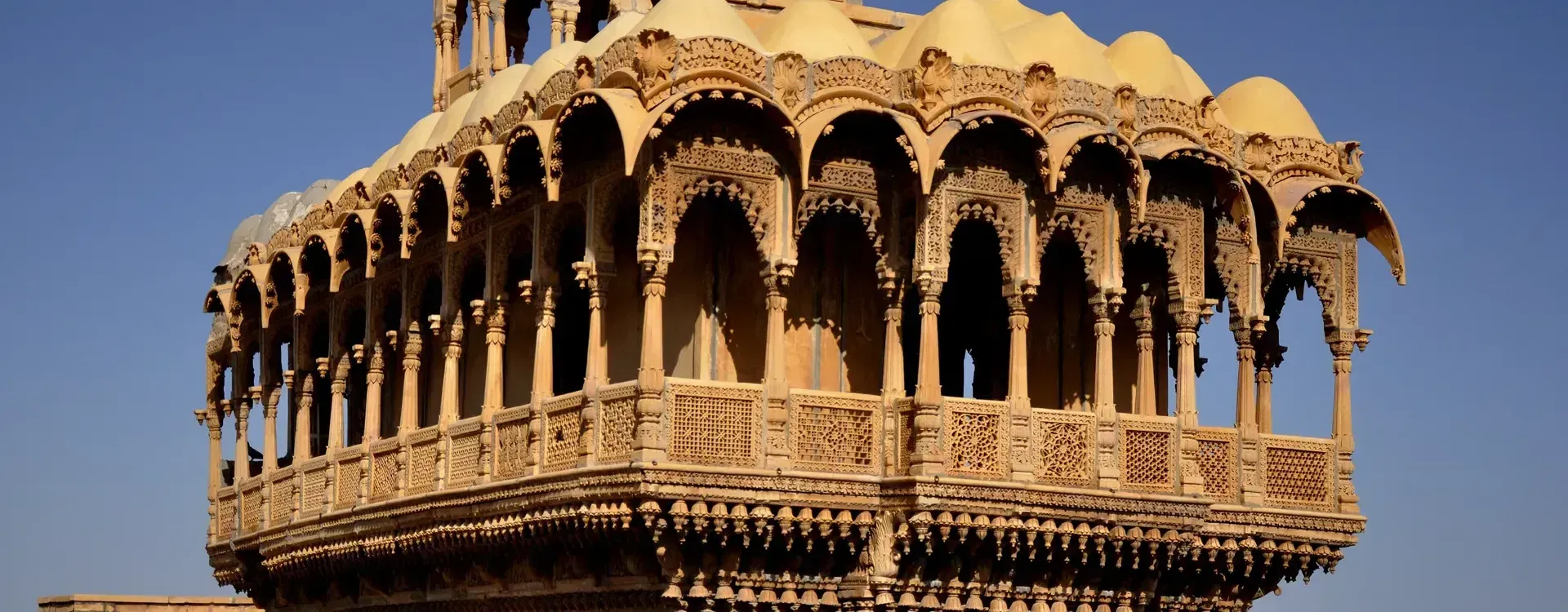
Salim Singh Ki Haveli — recognisable by its distinctive peacock-shaped brackets and unusual upper-floor architecture
Gadisar Lake — a historic water reservoir surrounded by temples and shrines, popular for a quiet boat ride
Jain Temples inside Jaisalmer Fort — a cluster of intricately carved temples dating from the 12th to 15th centuries, among the fort's most detailed architectural highlights
Monument Timings and Entry Fees
Jaisalmer Fort: Generally accessible throughout the day, though individual sections like the Jain temples and palace museum inside have their own specific hours and modest entry fees.
Patwon Ki Haveli: Open daily, roughly 9:00 AM–5:00 PM. Entry fees are modest, typically in the range of ₹20-60 for Indian visitors, with photography and videography sometimes charged separately.
Nathmal Ki Haveli: No formal entry fee for the main facade and courtyard, making it an easy, unhurried add-on to a Jaisalmer Fort visit.
Salim Singh Ki Haveli: Charges a modest entry fee, and it's worth setting aside 30-45 minutes here — the upper floors offer good views over the city and out toward the desert edges.
Note: Entry fees for Jaisalmer's havelis and monuments are revised periodically, so it's worth confirming current rates before you visit.
Sam Sand Dunes and the Desert Experience
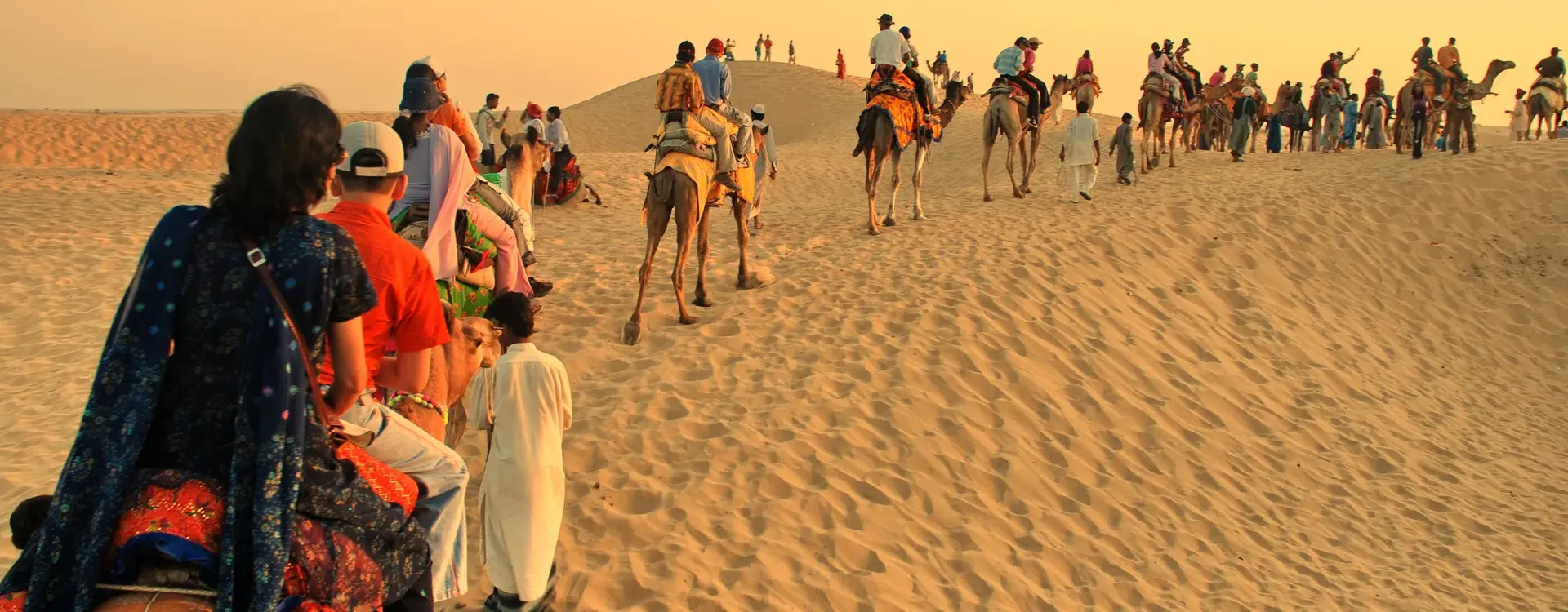
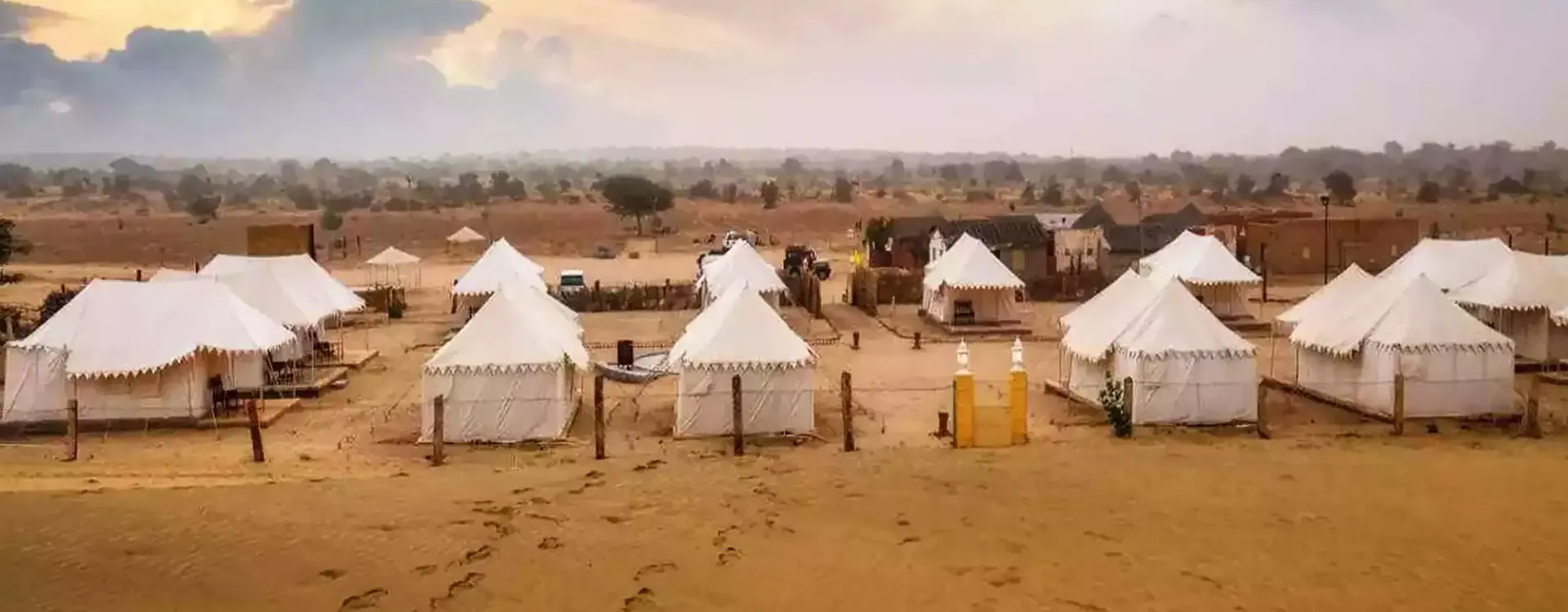
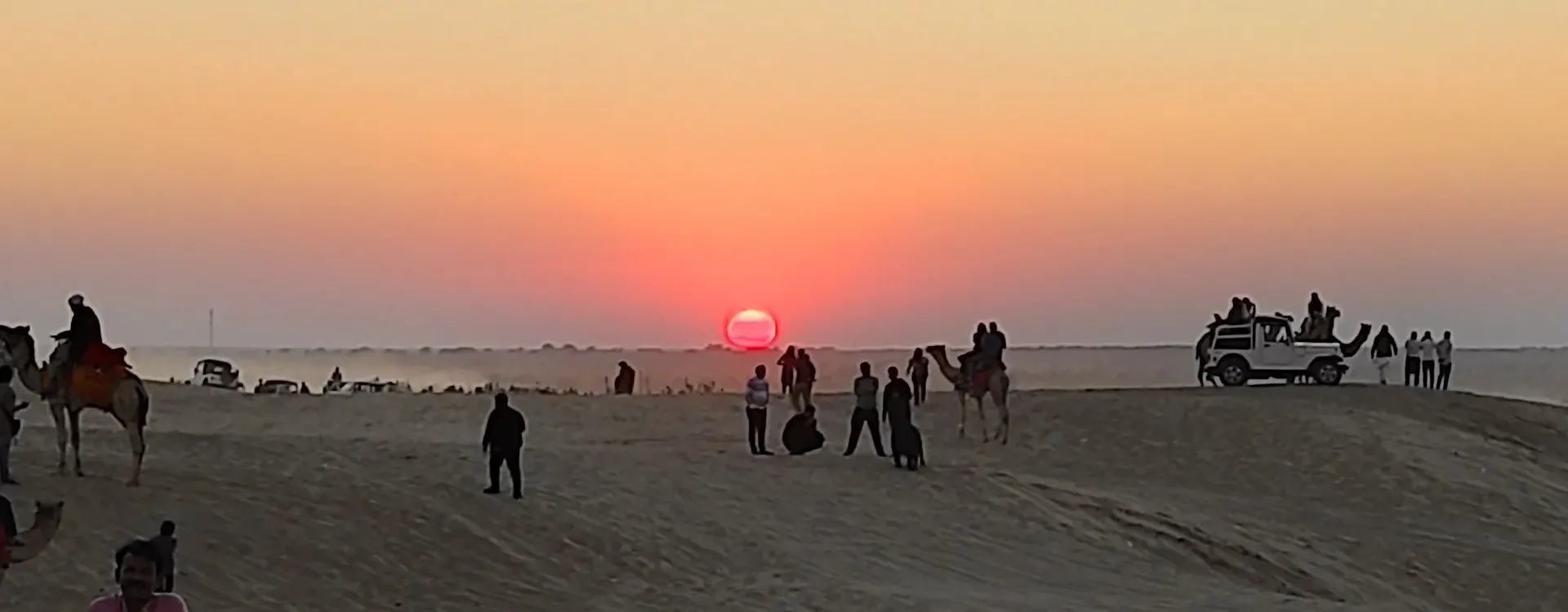
No trip to Jaisalmer feels complete without heading out to the Sam Sand Dunes, roughly 35-40 km from the city, where the classic image of Rajasthan's desert — rolling golden sand with barely any vegetation — comes fully to life. Camel safaris and jeep safaris are both popular ways to explore the dunes, and many visitors time their trip for sunset, when the shifting light turns the sand a deep amber colour. For a quieter, less crowded alternative, the Khuri Sand Dunes offer a similar experience with fewer tour buses. Desert camps around both areas typically combine the safari with an evening of folk music, dance and a bonfire dinner under the stars — touristy, sure, but genuinely worth doing at least once.
Best Food to Try in Jaisalmer
Jaisalmer's desert setting has shaped its food in interesting ways — Ker Sangri, made from wild desert beans and berries, is a genuinely unique regional dish you won't easily find outside western Rajasthan. Dal Baati Churma remains a staple here too, as does Bajre ki Roti, a millet flatbread often paired with garlic chutney and local ghee. Given the town's strong Jain merchant history, you'll also find excellent Jain vegetarian food across the old city, prepared without onion or garlic but still packed with flavour.
Best Shopping in Jaisalmer
Jaisalmer's markets, particularly around the fort and Sadar Bazaar, are known for mirror-work textiles, embroidered bags and cushion covers, along with leather Mojari shoes and antique-style silver jewellery. The city is also a good place to pick up hand-carved wooden items and stone handicrafts, given the region's long history of sandstone and woodworking craftsmanship.
Dress Code in Jaisalmer
Jaisalmer is fairly traditional, so modest clothing is appreciated, particularly at the Jain temples inside the fort, where covering shoulders and legs is expected. Desert heat during the day calls for light, breathable fabrics, but evenings — especially out at the sand dunes — can turn surprisingly cold, so layering matters more than it might seem given how hot the daytime can feel.
Culture of Jaisalmer
Jaisalmer's culture is deeply tied to its history as a trading post on the old caravan routes between India and Central Asia, which is part of why its havelis are so ornate — built by merchant families who grew wealthy on that trade and wanted their homes to show it. The fort's status as a living settlement gives Jaisalmer a rare, lived-in character most other Rajasthani forts have lost, with locals going about ordinary daily life against a backdrop most cities would rope off as a museum. Desert folk music and dance remain a genuine local tradition here too, not just a performance staged for tourists, still passed down through specific communities associated with the region.
Major Festivals in Jaisalmer
Desert Festival (Jan/Feb): Held against the backdrop of the Sam Sand Dunes, featuring folk music, camel races, turban-tying competitions and a genuinely festive desert atmosphere.
Gangaur (Mar/Apr): Celebrated with the same regional devotion as the rest of Rajasthan, marked by processions of decorated idols through the old city.
Diwali in Jaisalmer: The fort and havelis lit up with lamps during Diwali make for a particularly striking version of the festival, given the city's golden sandstone backdrop.
Language Spoken in Jaisalmer
Hindi is understood and spoken throughout the city and works almost everywhere.
Marwari, a Rajasthani dialect specific to the region, is the everyday language for most locals.
English is common among guides, camel safari operators and hotel staff, given how heavily Jaisalmer features on the international tourist circuit.
Traveller tip: Since people genuinely live inside Jaisalmer Fort, it's worth being mindful while wandering its lanes — many of the homes and shops are private residences, not just tourist backdrops, and a little respect goes a long way.
One Day Itinerary Suggestion
Morning exploring Jaisalmer Fort and its Jain temples, followed by Patwon Ki Haveli and Nathmal Ki Haveli in the late morning, an afternoon boat ride at Gadisar Lake, and an evening drive out to Sam Sand Dunes for sunset, camel rides and a desert camp dinner under the stars.
Best Time to Visit Jaisalmer
October to March is by far the best window, with cool, manageable desert temperatures ideal for both city sightseeing and dune safaris. Summers (April to June) turn brutally hot, often crossing 45°C, and are genuinely difficult for daytime exploration, so it's best avoided unless your trip has no other option.
How to Reach Jaisalmer
Jaisalmer has its own airport with limited but growing flight connectivity, mainly from Delhi and Jaipur. The city is well connected by rail too, with direct overnight trains from Delhi and Jaipur being a popular, comfortable way to arrive. Road trips are common as well, particularly as the final leg of a wider Rajasthan loop through Jodhpur, though the drive from Jodhpur to Jaisalmer takes a good several hours across fairly open desert highway.
Frequently Asked Questions
Simple answers about booking, payments, trip plans and help during your holiday.
Still have questions about your trip?
Talk to our destination specialist for personalized itinerary guidance & custom quotes.